
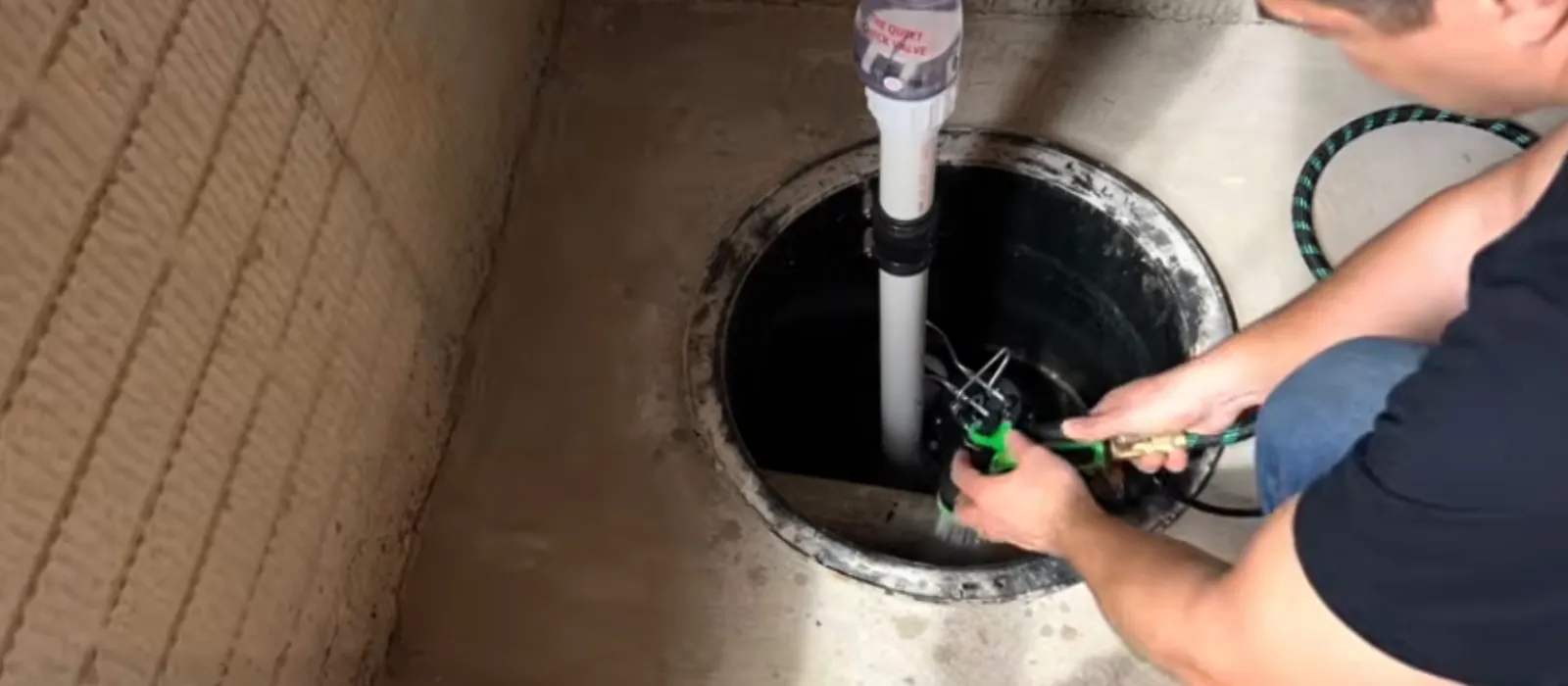
What a sump pump does
A sump pump sits in a pit below the basement floor. When groundwater fills the pit, a float switch turns the pump on and pushes the water out through a discharge pipe.
In a wet spring or after a storm, the pump may run every few minutes. If it fails, the basement can flood within hours, which is why sizing and backup power matter.
Before you dig: rules and permits
Check whether your project needs a permit. North Olmsted requires a permit before plumbing work begins, and an owner doing their own work needs an approved drawing, according to the city. The Building Division can explain which projects apply.
Where the water goes matters as much as the pump. Section 911.07(j) of the city code bars downspouts and footing drains from connecting to the sanitary sewer, so discharge must go outside the home to a lawful location.
The North Olmsted angle
Section 1339.01 of the North Olmsted codified ordinances requires a cover on a sump pump pit. The Building Division at 5200 Dover Center Road issues plumbing permits, and the city says owners doing their own plumbing must submit an approved drawing. Call the division before you buy parts so your plan, pit cover and discharge route match what the city will inspect.
Tools and parts list
| Item | Why you need it |
|---|---|
| Submersible pump | Sized to the water you expect, with a vertical float if the pit is narrow |
| Pit liner with cover | Holds the pump and meets the cover requirement |
| Check valve | Stops water in the discharge pipe from flowing back |
| PVC pipe and fittings | Discharge line to the outside |
| Gravel and sealant | Bed for the pit and a sealed lid |
| Battery backup | Keeps the pump running in a power outage |
Buy a pump with a rating that matches your inflow, not the cheapest one on the shelf.
The basic steps
Cut and dig
Break the slab where the pit goes and dig to the depth of the liner.
Set the liner
Place the liner on gravel, level it and pour concrete around it.
Install the pump
Place the pump on the bottom, connect the discharge pipe and check valve.
Test it
Pour water into the pit, confirm the float works and the water leaves the house.
Breaking concrete is hard, dusty work. Rent a demolition hammer, wear eye and ear protection and watch for floor drains and pipes under the slab.
Discharge: where the water goes
- Run the pipe outside, above frost, and away from the foundation.
- Do not connect to the sanitary sewer, because the code bars it.
- Keep discharge off the neighbor property and public sidewalk.
- Use a check valve near the pump to prevent backflow.
- Add a freeze guard in winter, since ice can block the line.
A discharge that freezes closed makes the pump run and fill the pit. If you do not have a good outdoor route, a plumber can help you plan one.
When to hire a professional
Hire help if the slab is thick, there is no pit, the water table is high, or you need a battery backup and alarm. A pro can also size the pump and set a second pump for heavy flows.
Our sump pump installation and repair page lists what we handle, and basement waterproofing covers the bigger picture. We also serve Olmsted Township and North Ridgeville, where low spots and creeks add flood risk.
Maintenance after the install
Test the pump at least a few times a year by pouring water into the pit. Clean debris from the pit and check the float. Replace the pump on the maker timetable, because pumps wear out.
A battery backup needs its own testing and a new battery every few years.
Sizing the pump
Pump size depends on how much water enters the pit and how high the pump must lift it. A bigger motor is not always better, because a pump that is too large cycles on and off quickly and wears out. Most home pumps are one third to one half horsepower.
To estimate inflow, watch how fast the pit fills after heavy rain. A pump that clears the pit in a minute and then waits a few minutes is a good match. If the pit refills faster than the pump can empty it, you need more capacity or a second pump.
Backup power and alarms
Storms that fill sump pits often knock out power at the same time. A battery backup pump takes over when the main pump or the power fails, and a water level alarm warns you before the basement floods.
A water-powered backup uses municipal pressure instead of a battery, but it uses a lot of water and may not be permitted everywhere. Ask the Building Division or your plumber before you choose one.
Common DIY mistakes to avoid
The first mistake is skipping the check valve. Without it, water in the discharge pipe falls back into the pit each time the pump stops, and the pump cycles more than it should. The second is a pit with no gravel base, which lets silt clog the inlet.
A third mistake is a discharge that ends too close to the house, so water runs back to the foundation and into the pit again. Extend the pipe well away from the wall and slope the ground so water moves off.
The fourth is ignoring the cover and the permit. The city sets rules for the cover and for inspection, and unpermitted work can cause trouble when you sell the house or file an insurance claim.
Testing for the next storm
Once the pump is in, test it on a dry day and again before the wet season. Pour a bucket of water into the pit and confirm the pump starts, runs and shuts off, with water leaving the discharge outside.
Plan to test the backup the same way. Unplug the main pump briefly to prove the battery unit takes over, then plug it back in.
Questions homeowners ask
You can, but the city requires permits for plumbing work and an approved drawing for owner work. Ask the Building Division first.
Yes. Section 1339.01 of the city code requires a sump pump cover.
Outside, to a lawful location. The city bars downspouts and footing drains from the sanitary sewer.
It depends on your inflow and the lift to the outlet. A professional can size it.
A battery backup is smart in any basement that has flooded before.
Have a question that is not here? Call (440) 468-0237.